How to Set a Google Ads Budget for a Small Business
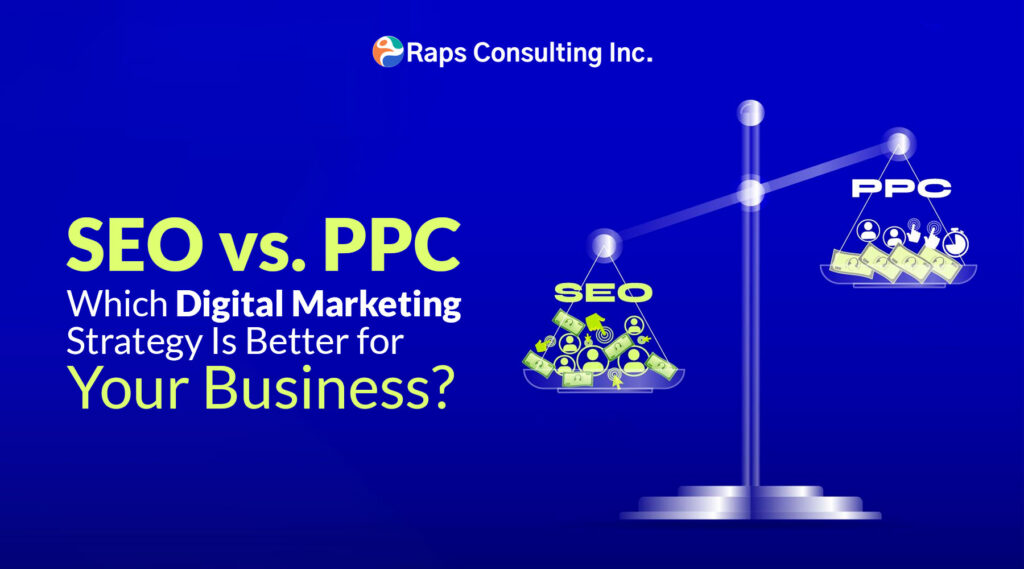
Table of Contents
Every business wants to attract more customers, increase website traffic, and generate quality leads. But choosing the right digital marketing strategy can be challenging, especially when deciding where to invest your marketing budget.
Two of the most widely used approaches are Search Engine Optimization (SEO) and Pay-Per-Click (PPC) advertising. Both help businesses reach potential customers through search engines, but they work in different ways.
Understanding SEO vs. PPC can help businesses make informed marketing decisions, allocate resources effectively, and build a strategy that supports both immediate results and long-term growth.
What Is SEO?
Search Engine Optimization (SEO) is the process of improving a website’s visibility in organic search engine results. It involves optimizing website content, technical performance, site structure, and backlinks to attract relevant visitors without paying for individual clicks.
A well-planned SEO strategy helps businesses reach people who are actively searching for their products, services, or industry-related information.
Key SEO activities include:
- Keyword research and content optimization
- Technical SEO and website performance improvements
- On-page optimization and internal linking
- Link building and brand authority development
- Mobile usability and website experience improvements
Benefits of SEO:
- Builds long-term organic visibility.
- Attracts relevant website visitors.
- Helps establish brand credibility.
- Reduces dependence on paid advertising over time.
However, SEO requires consistent effort. Competitive keywords may take months to achieve meaningful ranking improvements, and results depend on competition, website quality, and other factors.
What Is PPC Advertising?
Pay-Per-Click (PPC) is a digital advertising model in which businesses pay when someone clicks on their advertisement. Platforms such as Google Ads allow businesses to display advertisements to users searching for specific products or services.
Unlike organic search optimization, PPC can provide visibility shortly after a campaign is launched, making it useful for businesses that need traffic and leads within a shorter timeframe.
Common PPC activities include:
- Google Search advertising
- Display advertising
- Shopping campaigns
- Remarketing campaigns
- Keyword bidding and audience targeting
Benefits of PPC:
- Provides faster search visibility.
- Allows precise audience and location targeting.
- Offers control over advertising budgets.
- Makes campaign performance measurable.
- Supports product launches and promotional campaigns.
The main limitation is ongoing cost. Businesses must maintain their advertising budgets to continue receiving paid traffic.
SEO vs. PPC: Key Differences
Although both strategies aim to improve online visibility, their cost structures, timelines, and long-term benefits differ.
| Comparison | SEO | PPC |
|---|---|---|
| Traffic source | Organic search | Paid advertisements |
| Cost structure | SEO investment and maintenance | Payment for advertising clicks |
| Results | Gradual | Faster visibility |
| Traffic sustainability | Can continue after optimization work | Depends on active campaigns |
| Budget control | Flexible long-term investment | Daily and campaign budgets |
| Best suited for | Long-term growth | Immediate visibility and lead generation |
| Performance tracking | Rankings, clicks, organic conversions | Impressions, clicks, CPC, conversions |
The key difference in SEO vs. PPC is that SEO focuses on earning organic visibility, while PPC provides paid placements through advertising campaigns.
Neither approach guarantees leads or sales. Performance depends on targeting, competition, website experience, and campaign execution.
When Should Businesses Choose SEO?
SEO is a suitable option for businesses looking to establish a consistent online presence and attract customers through organic search.
Consider prioritizing SEO when:
- You want to increase organic website traffic.
- Your business operates in a competitive online market.
- Customers research services before making decisions.
- You want to build long-term brand authority.
- You regularly publish useful industry content.
For example, an IT consulting company can publish informative articles about cloud migration, cybersecurity, and IT infrastructure. These resources can attract businesses researching technology solutions and introduce them to relevant services.
When Should Businesses Choose PPC?
PPC is useful when businesses need to reach a specific audience quickly or promote services within a defined period.
Consider PPC when:
- You are launching a new product or service.
- You need to generate leads within a short timeframe.
- You want to target specific locations or customer groups.
- You have a defined advertising budget.
- You want to test new keywords and market demand.
For example, a software development company can run Google Ads targeting businesses searching for custom software development services. Relevant advertisements can direct potential customers to dedicated landing pages.
Can SEO and PPC Work Together?
Yes. Combining both approaches can create a more balanced digital marketing strategy.
Rather than treating SEO vs. PPC as an either-or decision, businesses can use insights from both channels to improve their overall marketing performance.
Here is how they complement each other:
1. Identify Valuable Keywords: PPC campaigns can help identify search terms that attract relevant clicks and conversions. Businesses can use these insights to guide their organic content strategy.
2. Improve Search Visibility: Appearing in both paid and organic search results can create additional opportunities for users to discover a business.
3. Support Different Buying Stages: SEO can attract users researching solutions, while PPC can target people searching for specific services or ready to take action.
4. Improve Marketing Decisions: Data from both channels helps businesses understand customer behavior, evaluate landing pages, and refine marketing campaigns.
A combined strategy allows businesses to balance immediate advertising opportunities with long-term organic growth.
How to Choose the Right Strategy for Your Business
The right approach depends on your business objectives, available resources, competition, and expected results.
Before deciding between SEO vs. PPC, consider these factors:
- Marketing goals: Determine whether your priority is immediate lead generation or sustainable organic growth.
- Available budget: Evaluate how much you can invest in ongoing SEO activities and paid campaigns.
- Competition: Research how competitive your target keywords are in organic and paid search.
- Target audience: Understand how potential customers search for and evaluate your services.
- Expected timeline: Decide whether you need short-term visibility or are prepared to invest in long-term growth.
For many businesses, starting with a combination of both strategies can provide useful campaign data while building a stronger organic presence.
Conclusion
SEO and PPC play different but equally valuable roles in digital marketing. SEO helps businesses build organic visibility and establish long-term search presence, while PPC provides faster access to targeted audiences through paid advertisements.
The decision should not simply be about choosing one over the other. It should be about understanding your business goals and selecting the right combination of strategies.
At RAPS Consulting, we help businesses strengthen their digital presence through strategic digital marketing and technology solutions. Our approach focuses on understanding business objectives, identifying growth opportunities, and developing solutions that support measurable business outcomes.
Looking to improve your online visibility and reach the right audience? Explore our Digital Marketing & Growth Services to learn how RAPS can support your business growth.