


Identity & Access Management: The Security Layer Most Companies Ignore 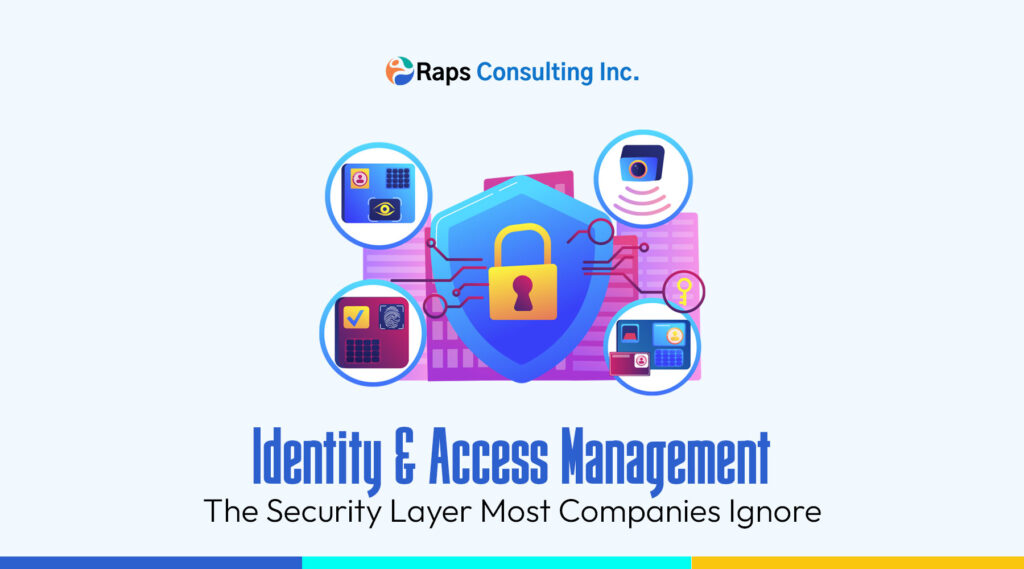
Cybersecurity discussions often focus on firewalls, endpoint protection, threat detection, and cloud security. While these technologies are essential, many organizations continue to overlook one of the most important security layers: Identity & Access Management (IAM).
Today’s digital environments are more connected than ever. Employees access applications from multiple devices, remote teams work across different locations, and businesses rely on cloud platforms, SaaS applications, and third-party integrations. In this complex ecosystem, controlling who has access to what has become a critical security challenge.
Without effective identity access management, even the strongest cybersecurity infrastructure can be compromised by unauthorized access, credential theft, or excessive user permissions.
What Is Identity & Access Management (IAM)?
Identity & Access Management is a framework of policies, technologies, and processes that ensures the right individuals have access to the right resources at the right time.
An IAM system helps organizations:
- Verify user identities
- Manage access permissions
- Enforce authentication policies
- Monitor user activity
- Remove access when no longer needed
The goal is simple: protect sensitive systems and data while enabling employees to work efficiently.
Why IAM Has Become a Business-Critical Security Requirement
Traditional security models focused on protecting a defined network perimeter. However, cloud adoption, hybrid work environments, and mobile access have significantly changed how organizations operate.
Today, users access:
- Cloud applications
- Corporate networks
- Customer databases
- Collaboration platforms
- Financial systems
- Development environments
Every access point represents a potential security risk if not properly controlled.
Identity is now considered the new security perimeter.
The Risks of Weak Access Management
Many organizations unknowingly expose themselves to significant cybersecurity risks due to poor access governance.
Excessive User Permissions
Employees often accumulate access privileges over time as they change roles or responsibilities. If these permissions are not reviewed regularly, users may retain access to systems they no longer require.
This increases the potential impact of both accidental and malicious actions.
Credential-Based Attacks
Cybercriminals frequently target user credentials through phishing campaigns, password theft, and social engineering attacks.
If compromised credentials provide broad system access, attackers can move laterally through an organization’s environment.
Delayed Offboarding
When employee accounts remain active after departure, organizations create unnecessary security exposure.
Effective IAM solutions automate access removal and reduce this risk significantly.
Compliance Violations
Industries subject to regulatory requirements often need strict access controls and audit trails.
Without centralized identity management, demonstrating compliance can become difficult and costly.
Core Components of an Effective IAM Strategy
Multi-Factor Authentication (MFA)
Passwords alone are no longer sufficient protection.
MFA requires users to provide additional verification factors, such as:
- Mobile authenticator codes
- Security keys
- Biometrics
- One-time passwords
This significantly reduces the likelihood of unauthorized access.
Single Sign-On (SSO)
Single Sign-On enables users to access multiple applications through a single authentication process.
Benefits include:
- Improved user experience
- Reduced password fatigue
- Lower help desk costs
- Stronger security controls
Role-Based Access Control (RBAC)
Role-Based Access Control assigns permissions based on job functions rather than individual requests.
This approach ensures consistent access policies and simplifies administration.
Identity Governance
Identity governance helps organizations monitor and review access rights regularly.
Key capabilities include:
- Access certification
- User lifecycle management
- Policy enforcement
- Audit reporting
Privileged Access Management (PAM)
Privileged accounts represent some of the most valuable targets for attackers.
PAM solutions provide enhanced monitoring and protection for administrative accounts, reducing the risk of privilege abuse.
IAM and the Zero Trust Security Model
Many organizations are adopting Zero Trust architectures to strengthen cybersecurity resilience.
The core principle of Zero Trust is straightforward:
Never trust, always verify.
Rather than automatically trusting users inside the network, every access request is continuously evaluated based on:
- Identity
- Device health
- Location
- Risk factors
- Access context
IAM serves as a foundational component of any successful Zero Trust strategy.
Without strong identity verification and access controls, Zero Trust initiatives cannot be effectively implemented.
How IAM Supports Compliance and Risk Management
Organizations must comply with various security and privacy regulations that require access control and accountability.
IAM solutions help support compliance efforts by providing:
- Detailed audit trails
- Access review processes
- Segregation of duties
- User activity monitoring
- Automated reporting
By maintaining visibility into who accessed systems and when, organizations can reduce compliance risk and improve governance.
The Business Benefits of Modern IAM Solutions
Investing in enterprise IAM solutions delivers benefits beyond cybersecurity.
Improved Operational Efficiency
Automated provisioning and deprovisioning reduce manual administrative tasks and accelerate employee onboarding.
Enhanced User Experience
Employees gain secure access to the tools they need without managing multiple passwords.
Reduced Security Risk
Strong authentication and access controls help minimize opportunities for unauthorized access.
Better Visibility
Organizations gain centralized insight into user identities, permissions, and access activities.
Scalable Security
As businesses grow and adopt new technologies, IAM frameworks provide a consistent foundation for managing access securely.
Signs Your Organization May Need Stronger IAM Controls
Your organization may benefit from improved identity and access management if:
- Users manage multiple passwords across systems
- Access requests are handled manually
- Former employees retain system access
- Access reviews occur infrequently
- Compliance audits are becoming more difficult
- Security teams lack visibility into user permissions
- Cloud adoption is increasing rapidly
These challenges often indicate that access management processes are no longer keeping pace with business growth.
Conclusion
While organizations invest heavily in firewalls, endpoint protection, and advanced threat detection, identity-related risks remain one of the most common causes of security incidents.
Identity & Access Management is no longer optional. It has become a foundational element of enterprise access security, helping organizations protect sensitive resources, improve compliance, and support modern workforce requirements.
As cyber threats continue to evolve, businesses that prioritize IAM solutions will be better positioned to reduce risk, strengthen security posture, and support long-term digital transformation initiatives.
FAQ
What is Identity & Access Management (IAM)?
Identity & Access Management (IAM) is a framework of policies and technologies used to ensure that authorized users have appropriate access to systems, applications, and data.
Why is IAM important for cybersecurity?
IAM helps prevent unauthorized access, reduces credential-related risks, supports compliance requirements, and strengthens overall enterprise security.
What are the main components of IAM?
Key IAM components include Multi-Factor Authentication (MFA), Single Sign-On (SSO), Role-Based Access Control (RBAC), Identity Governance, and Privileged Access Management (PAM).
How does IAM support Zero Trust security?
IAM verifies user identities and controls access permissions, making it a foundational technology for implementing Zero Trust security models.
What are the benefits of enterprise IAM solutions?
Enterprise IAM solutions improve security, simplify user access, automate administrative processes, enhance compliance, and provide better visibility into user activities.