


How Healthcare Staffing Solutions Reduce Operational Pressure 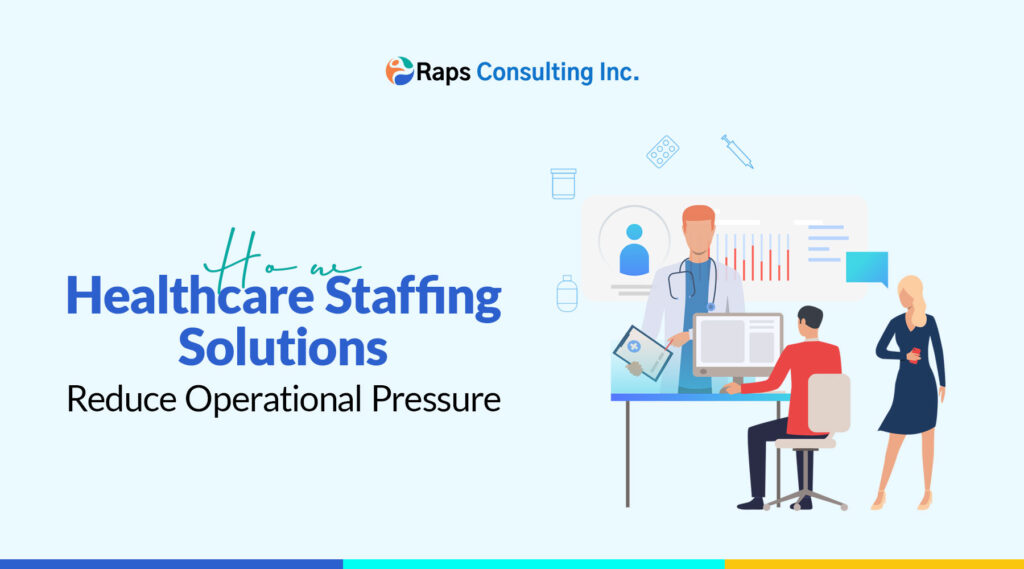
Healthcare organizations today face increasing pressure to deliver quality patient care while managing staffing shortages, rising operational costs, employee burnout, and changing workforce demands. Hospitals, clinics, long-term care facilities, and healthcare networks are constantly balancing patient needs with workforce availability.
As healthcare systems continue to evolve, healthcare staffing solutions have become an essential strategy for maintaining operational efficiency and ensuring uninterrupted patient care. By providing flexible access to qualified healthcare professionals, these solutions help organizations address workforce gaps without compromising service quality.
In this article, we’ll explore how healthcare staffing solutions reduce operational pressure and support healthcare organizations in building a more resilient workforce.
The Growing Workforce Challenges in Healthcare
Healthcare providers across the country are experiencing significant workforce challenges. Increased patient volumes, retirements among experienced professionals, and specialized skill shortages have made recruiting and retaining talent increasingly difficult.
Common challenges include:
- Nursing shortages
- Physician staffing gaps
- Increased employee burnout
- Seasonal demand fluctuations
- High turnover rates
- Difficult-to-fill specialty positions
- Regulatory and compliance requirements
These challenges often place additional pressure on existing staff, leading to reduced productivity, lower employee satisfaction, and increased operational risks.
What Are Healthcare Staffing Solutions?
Healthcare staffing solutions are specialized workforce services designed to help healthcare organizations find, recruit, and manage qualified professionals for clinical and non-clinical roles.
These services may include:
- Temporary staffing
- Contract staffing
- Per diem staffing
- Travel healthcare professionals
- Direct hire recruitment
- Executive healthcare recruitment
- Workforce planning support
Healthcare recruitment services provide organizations with access to talent pools that can be deployed quickly when workforce needs arise.
Reducing Staffing Shortages Quickly
One of the biggest advantages of healthcare staffing solutions is the ability to address workforce shortages rapidly.
When unexpected absences, patient surges, or turnover occur, healthcare facilities often struggle to fill open positions internally. Staffing partners maintain extensive networks of pre-screened healthcare professionals who can be placed quickly.
Benefits include:
- Faster time-to-fill positions
- Reduced vacancy periods
- Improved shift coverage
- Less disruption to patient care
- Increased workforce stability
By reducing prolonged vacancies, healthcare organizations can avoid excessive workloads on existing employees.
Supporting Workforce Flexibility
Healthcare demand is rarely predictable. Seasonal illnesses, public health events, and changing patient volumes can create sudden staffing needs.
Healthcare staffing solutions provide flexibility by allowing organizations to scale workforce levels up or down based on demand.
Examples include:
Managing Seasonal Demand
During flu seasons or periods of increased patient admissions, facilities can quickly add qualified professionals to support operations.
Covering Employee Leave
Temporary staffing can help cover:
- Maternity leave
- Medical leave
- Vacation periods
- Extended absences
Expanding Services
Organizations launching new departments or expanding services can secure specialized talent without committing to permanent hires immediately.
This workforce flexibility helps healthcare organizations maintain service quality while controlling labor costs.
Reducing Employee Burnout
Burnout remains one of the most significant concerns in healthcare workforce management.
When organizations operate with insufficient staffing levels, healthcare professionals often work:
- Overtime shifts
- Double shifts
- Extended schedules
Over time, this can lead to:
- Increased stress
- Lower morale
- Higher turnover
- Reduced engagement
- Potential patient care risks
Healthcare staffing services help distribute workloads more evenly by ensuring adequate staffing levels.
As a result, organizations can improve employee well-being while enhancing workforce retention.
Improving Patient Care Continuity
Patient outcomes are closely linked to workforce availability.
When staffing shortages occur, healthcare facilities may experience:
- Longer wait times
- Delayed services
- Reduced patient satisfaction
- Increased administrative strain
Healthcare staffing solutions help ensure that qualified professionals are available when needed, allowing organizations to maintain continuity of care.
Benefits include:
- Consistent patient coverage
- Improved service delivery
- Better patient experiences
- Reduced scheduling disruptions
A stable workforce directly supports higher-quality healthcare operations.
Access to Specialized Healthcare Talent
Many healthcare roles require highly specialized certifications, training, and experience.
Examples include:
- Critical care nurses
- Surgical specialists
- Radiology professionals
- Behavioral health providers
- Healthcare IT specialists
- Laboratory professionals
Healthcare recruitment services maintain specialized talent networks that help organizations fill difficult positions more efficiently.
This access to niche expertise can significantly reduce recruitment timelines and operational delays.
Enhancing Workforce Planning and Efficiency
Modern healthcare staffing providers do more than recruit talent.
Many organizations now offer workforce planning support that helps healthcare facilities:
- Forecast staffing needs
- Analyze workforce trends
- Improve scheduling efficiency
- Reduce overtime expenses
- Optimize workforce allocation
Strategic workforce planning enables healthcare leaders to make data-driven staffing decisions that support both operational goals and patient care objectives.
Supporting Compliance and Credential Management
Healthcare organizations operate within highly regulated environments.
Managing licenses, certifications, background checks, and credential verification can consume significant administrative resources.
Healthcare staffing agencies often assist with:
- Credential verification
- Compliance documentation
- Background screening
- Regulatory requirements
- Ongoing workforce monitoring
This support helps reduce administrative burdens while minimizing compliance-related risks.
Cost Management Benefits
While staffing services are often viewed as a workforce solution, they can also support financial efficiency.
Healthcare staffing solutions help organizations reduce costs associated with:
- Extended vacancies
- Overtime expenses
- Employee turnover
- Recruitment advertising
- Hiring delays
- Workforce inefficiencies
By maintaining appropriate staffing levels, healthcare facilities can better balance labor costs while preserving operational performance.
Why Healthcare Organizations Are Increasingly Using Staffing Solutions
Healthcare leaders are recognizing that workforce challenges require more flexible and scalable staffing strategies.
Healthcare staffing solutions offer:
- Faster access to talent
- Workforce scalability
- Reduced operational pressure
- Improved employee retention
- Better patient care continuity
- Enhanced compliance support
- Stronger workforce planning capabilities
These advantages allow healthcare organizations to remain agile in an increasingly complex healthcare environment.
Conclusion
Workforce challenges continue to place significant pressure on healthcare organizations. From staffing shortages and employee burnout to compliance requirements and fluctuating patient demand, healthcare leaders must balance numerous operational priorities simultaneously.
Healthcare staffing solutions provide a practical and scalable approach to managing these challenges. By offering rapid access to qualified professionals, supporting workforce flexibility, reducing administrative burdens, and improving operational efficiency, healthcare staffing partners help organizations maintain stability while delivering high-quality patient care.
As healthcare systems continue to evolve, organizations that invest in strategic medical workforce support and healthcare recruitment services will be better positioned to manage workforce demands and achieve long-term operational success.
Frequently Asked Questions
- What are healthcare staffing solutions?
Healthcare staffing solutions are workforce services that help healthcare organizations recruit, place, and manage qualified clinical and non-clinical professionals.
- How do healthcare staffing services reduce operational pressure?
They help fill workforce gaps quickly, reduce employee burnout, improve workforce flexibility, and maintain patient care continuity.
- What types of healthcare professionals canstaffingagencies provide?
Healthcare staffing agencies can provide nurses, physicians, allied health professionals, therapists, healthcare administrators, and specialized clinical experts.
- Are healthcare staffing solutions only for hospitals?
No. Clinics, long-term care facilities, rehabilitation centers, outpatient centers, and healthcare networks also use staffing solutions.
- How do healthcare recruitment services support compliance?
Many staffing providers assist with credential verification, background checks, licensing validation, and workforce compliance management.