


Why Businesses Are Choosing Flexible Staffing Models in 2026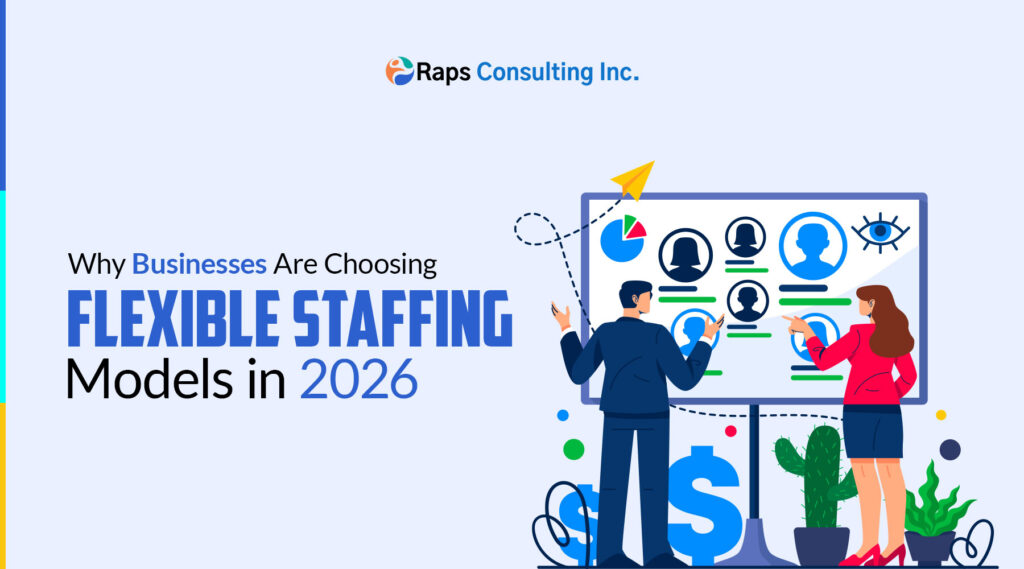
In today’s rapidly changing business environment, organizations are under increasing pressure to adapt quickly to market demands, technological advancements, and workforce expectations. Traditional hiring models that rely heavily on permanent employees often struggle to provide the agility businesses need to remain competitive.
As a result, flexible staffing models have become a preferred workforce strategy for companies across industries. From technology and healthcare to manufacturing and professional services, businesses are embracing flexible staffing solutions to improve workforce scalability, control costs, and access specialized talent when needed.
In 2026, flexible staffing is no longer just an alternative hiring approach—it has become a critical component of modern workforce planning.
What Are Flexible Staffing Models?
Flexible staffing refers to workforce arrangements that allow organizations to adjust staffing levels based on business needs. Instead of relying solely on full-time employees, companies can leverage a combination of:
- Contract professionals
- Temporary employees
- Project-based specialists
- Consultants
- Freelancers
- Contract-to-hire resources
These staffing models enable businesses to build a workforce that aligns with current demands while maintaining the ability to scale up or down efficiently.
Why Traditional Hiring Models Are Becoming Less Effective
The traditional approach to workforce management often involves lengthy recruitment cycles, fixed labor costs, and limited flexibility. While full-time employees remain essential for many roles, businesses are facing challenges such as:
Rapid Market Changes
Industries evolve faster than ever. Organizations frequently need new skills and expertise that may not exist within their current workforce.
Fluctuating Workloads
Business demand can vary significantly throughout the year. Hiring permanent staff for temporary workload increases can create long-term cost burdens.
Skills Shortages
The competition for specialized talent continues to intensify, particularly in areas such as:
- Information Technology
- Cybersecurity
- Cloud Computing
- Data Analytics
- Artificial Intelligence
- Healthcare
Cost Pressures
Companies are seeking workforce strategies that balance productivity with cost efficiency.
Flexible staffing helps address these challenges while supporting business growth.
Key Reasons Businesses Are Adopting Flexible Staffing Solutions in 2026
- Improved Workforce Scalability
One of the primary advantages of flexible staffing is workforce scalability.
Businesses can rapidly expand teams during periods of growth and reduce staffing levels when demand decreases.
This scalability allows organizations to:
- Meet project deadlines
- Handle seasonal demand
- Support business expansion
- Manage mergers and acquisitions
- Launch new products and services
Rather than maintaining excess headcount year-round, companies can align workforce capacity with actual business requirements.
- Faster Access to Specialized Talent
Many modern projects require highly specialized expertise.
Finding and hiring these professionals through traditional recruitment channels can take months. Flexible staffing providers maintain talent networks that enable organizations to access qualified professionals quickly.
Examples include:
- Cloud Architects
- Software Developers
- Data Scientists
- Cybersecurity Specialists
- ERP Consultants
- Project Managers
This accelerated access helps businesses maintain momentum and avoid costly project delays.
- Greater Business Agility
Business agility has become a competitive necessity.
Organizations must respond quickly to:
- Market shifts
- Customer demands
- Regulatory changes
- Technology disruptions
Flexible staffing models allow leaders to deploy resources where they are needed most without lengthy hiring processes.
This agility enables companies to remain responsive and competitive in dynamic markets.
- Cost Optimization
Hiring permanent employees involves significant expenses beyond salaries, including:
- Benefits
- Insurance
- Training
- Payroll taxes
- Recruitment costs
- Onboarding expenses
Flexible staffing can help organizations manage these costs more effectively.
Businesses can allocate resources based on project requirements, reducing unnecessary labor expenses while maintaining productivity.
- Enhanced Project-Based Hiring Capabilities
Many organizations now operate through project-driven business models.
Whether implementing a new technology platform, migrating to the cloud, or launching a strategic initiative, project-based hiring allows companies to bring in expertise for a defined period.
Benefits include:
- Access to niche skills
- Faster project execution
- Reduced long-term labor commitments
- Better resource allocation
- Improved project outcomes
Project-based hiring ensures businesses have the right talent at the right time.
- Reduced Hiring Risks
Permanent hiring decisions carry significant risk.
If a candidate is not the right fit, organizations may face productivity losses, turnover costs, and operational disruptions.
Flexible staffing arrangements, including contract-to-hire models, allow employers to evaluate talent before making long-term commitments.
This approach improves hiring confidence and workforce quality.
- Support for Remote and Hybrid Workforces
Remote and hybrid work models continue to shape workforce strategies in 2026.
Flexible staffing solutions enable organizations to access talent regardless of geographic location.
Benefits include:
- Larger talent pools
- Faster hiring
- Increased diversity
- Access to specialized skills
- Improved workforce resilience
Businesses are no longer limited to local hiring markets.
Industries Leading the Flexible Staffing Transformation
While flexible staffing is expanding across all sectors, several industries have emerged as leaders in adoption.
Information Technology
Technology companies frequently require specialized expertise for software development, cybersecurity, cloud migration, and digital transformation projects.
Healthcare
Healthcare organizations use flexible staffing to address workforce shortages and fluctuating patient demands.
Manufacturing
Manufacturers rely on temporary and project-based workers to support production cycles and operational changes.
Professional Services
Consulting firms and business service providers often utilize contract professionals to manage client projects efficiently.
Finance
Financial institutions increasingly leverage specialized contractors for compliance, risk management, and technology initiatives.
Flexible Staffing vs Traditional Hiring
Factor | Flexible Staffing | Traditional Hiring |
Hiring Speed | Fast | Moderate to Slow |
Workforce Scalability | High | Limited |
Cost Flexibility | High | Lower |
Access to Specialized Skills | Excellent | Variable |
Long-Term Commitment | Optional | Required |
Project-Based Support | Strong | Limited |
Business Agility | High | Moderate |
For many organizations, the most effective workforce strategy combines both models.
Best Practices for Implementing Flexible Staffing
To maximize results, organizations should:
Define Workforce Objectives
Identify which roles require permanent employees and which can be supported through flexible staffing.
Partner with Experienced Staffing Providers
Work with staffing experts who understand industry requirements and talent availability.
Build Workforce Planning Strategies
Align staffing decisions with business goals, project timelines, and growth plans.
Measure Performance
Track key metrics such as:
- Time-to-fill
- Project completion rates
- Productivity
- Cost savings
- Employee retention
Maintain Workforce Integration
Ensure temporary and contract workers are integrated into team workflows and organizational culture.
The Future of Workforce Management
As organizations continue to navigate economic uncertainty, digital transformation, and evolving workforce expectations, flexibility will remain a strategic advantage.
Businesses that embrace flexible staffing solutions can adapt more quickly, access specialized talent, optimize costs, and support sustainable growth.
In 2026 and beyond, workforce scalability and project-based hiring will play an increasingly important role in helping organizations remain competitive in a rapidly changing marketplace.
Conclusion
Flexible staffing models have evolved from a temporary workforce solution into a core business strategy. Companies are leveraging flexible staffing to improve workforce scalability, reduce hiring risks, access specialized expertise, and respond more effectively to changing business demands.
Organizations that combine permanent talent with strategic flexible staffing solutions are better positioned to achieve operational efficiency, business agility, and long-term success.
FAQs
- What is a flexible staffing model?
A flexible staffing model combines permanent employees with temporary, contract, freelance, or project-based professionals to meet changing business needs efficiently.
- How does flexible staffing improve workforce scalability?
Flexible staffing allows businesses to quickly increase or decrease workforce capacity based on project demands, seasonal needs, or growth initiatives.
- What is project-based hiring?
Project-based hiring involves recruiting professionals for a specific project or defined period, allowing businesses to access specialized expertise without long-term commitments.
- Which industries benefit most from flexible staffing solutions?
Industries such as IT, healthcare, manufacturing, finance, and professional services commonly benefit from flexible staffing due to fluctuating workforce demands and specialized skill requirements.
- Can flexible staffing reduce hiring costs?
Yes. Flexible staffing helps organizations optimize labor expenses by hiring talent only when needed, reducing costs associated with full-time employment and long-term commitments.